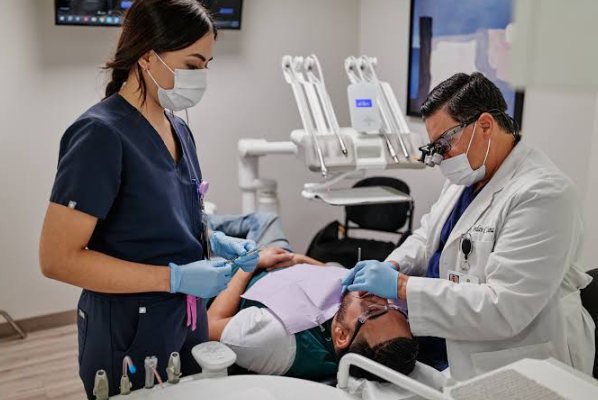
Having pain in your teeth may make it difficult to accomplish many things in your everyday life, such as eating, talking and concentrating at school or work. When a toothache is severe or prolonged, people are often sent to an endodontist for specialist treatment. Endodontists are dentists who identify and treat abnormalities within the tooth, primarily with the oral pulp and root canals. Knowing what to anticipate before you go to the endodontist may help patients feel more secure and educated about their treatment.
What Is An Endodontist?
An endodontist is a dentist who specialises in locating and treating abnormalities within teeth. General dentists do all kinds of things for oral health. Endodontists, on the other hand, deal with more complex problems such as tooth infections, extensive decay, trauma, and root canal procedures.
They are competent so that they may concentrate on preserving the original teeth as much as possible. In most cases, it is preferable for your bite, ability to chew and overall dental health to preserve a natural tooth.
See also: Mutf_In: Axis_Max_Life_141tukk
Common Reasons Patients Are Referred
Many consumers may not understand why they have to see an endodontist instead of their normal dentist. Referrals are typical when a dental condition requires specialist attention.
Some frequent explanations are:
- Toothache that won’t go away
- Ability to experience hot and cold weather
- Deep holes that go to the centre of the tooth
- Cracked or fractured teeth
- Inadvertent injury to the teeth
- Retreatment of previous endodontic procedures
A skilled endodontic treatment provider with the correct training and unique instruments may effectively cure these difficulties.
The Importance Of Early Evaluation
Perhaps the biggest thing people need to realise is that delaying dental treatment may frequently make the situation worse. If this is not treated, it may gradually extend to the deeper regions of the tooth and the tissues surrounding it.
Early assessment helps the professionals to understand the source of the discomfort and provide the most effective treatment. “Getting help right away can help avoid more expensive treatments and increase the chance of keeping the tooth.”
If you feel pain, swelling or sensitivity that lasts a long time and does not go away, visit a doctor right away.
What Happens During The Initial Consultation
Many folks are hesitant to go to the endodontist because they don’t know what to expect. Luckily, the initial appointment is generally all about finding out what’s wrong and how to cure it.
During the visit, the expert will review the patient’s dental history, discuss their problems, and do a complete examination. Modern imaging equipment may provide a good view of the tooth and the structures surrounding it.
These tests help physicians find out how serious the illness or injury is and what type of therapy to prescribe. During this discussion, patients are allowed to ask questions and discuss any concerns they may have.
Modern Technology Has Improved Patient Comfort
People assume falsely that dental procedures hurt. In truth, advances in dental technology have made treatments considerably more successful, and patients a lot more comfortable.
Modern imaging technologies, specialised equipment and precise treatment procedures allow endodontists to be more accurate and cause less pain. Many people choose a local anesthetic to ensure that they are comfortable while undergoing treatment.
It is a surprise to many individuals that a modern root canal treatment feels a lot like having a routine filling.
Aftercare And Recovery
Most of the time, endodontic therapy is simple to recover from. For a few days, you may have some slight discomfort or feeling while the surrounding tissue heals. Most individuals can go back to their usual lifestyles shortly after therapy.
Following the treatment instructions is extremely crucial for healing to progress successfully. Good oral hygiene, attend follow-up appointments and report any unusual symptoms to their dentist.
Regular visits to the dentist and protecting the restored tooth may ensure the advantages continue.
Conclusion
Seeing an endodontist is an important step in keeping your mouth healthy and stopping the discomfort of a toothache. Understanding what these specialists do, why they’re being referred and what they might anticipate throughout therapy may help put patients more at ease with the process. By seeing a qualified endodontic treatment provider and addressing dental issues as soon as they arise, patients may increase their chances of maintaining their natural teeth and a healthy smile for years to come.